Itinerant workshops
Workshops and cycles of sessions at partner institutions, with facilitators, materials and ingredients provided by the foundation.
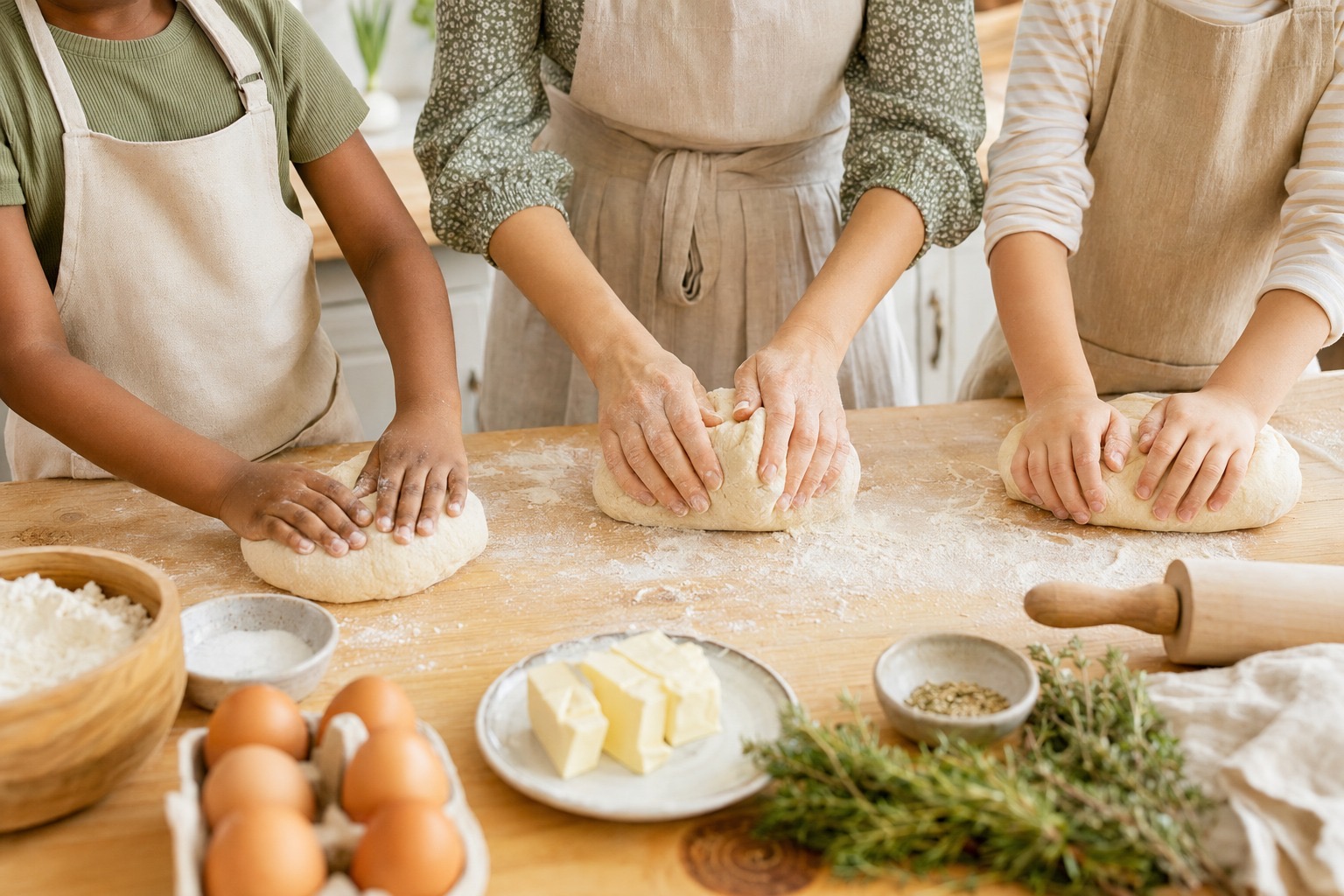
We promote emotional well-being by bringing group bread-kneading workshops to shelters, group homes, schools and community organizations. We offer a sensory, creative and communal experience for children, adolescents and women who have lived through adversity — without asking anyone to talk about what they have been through.
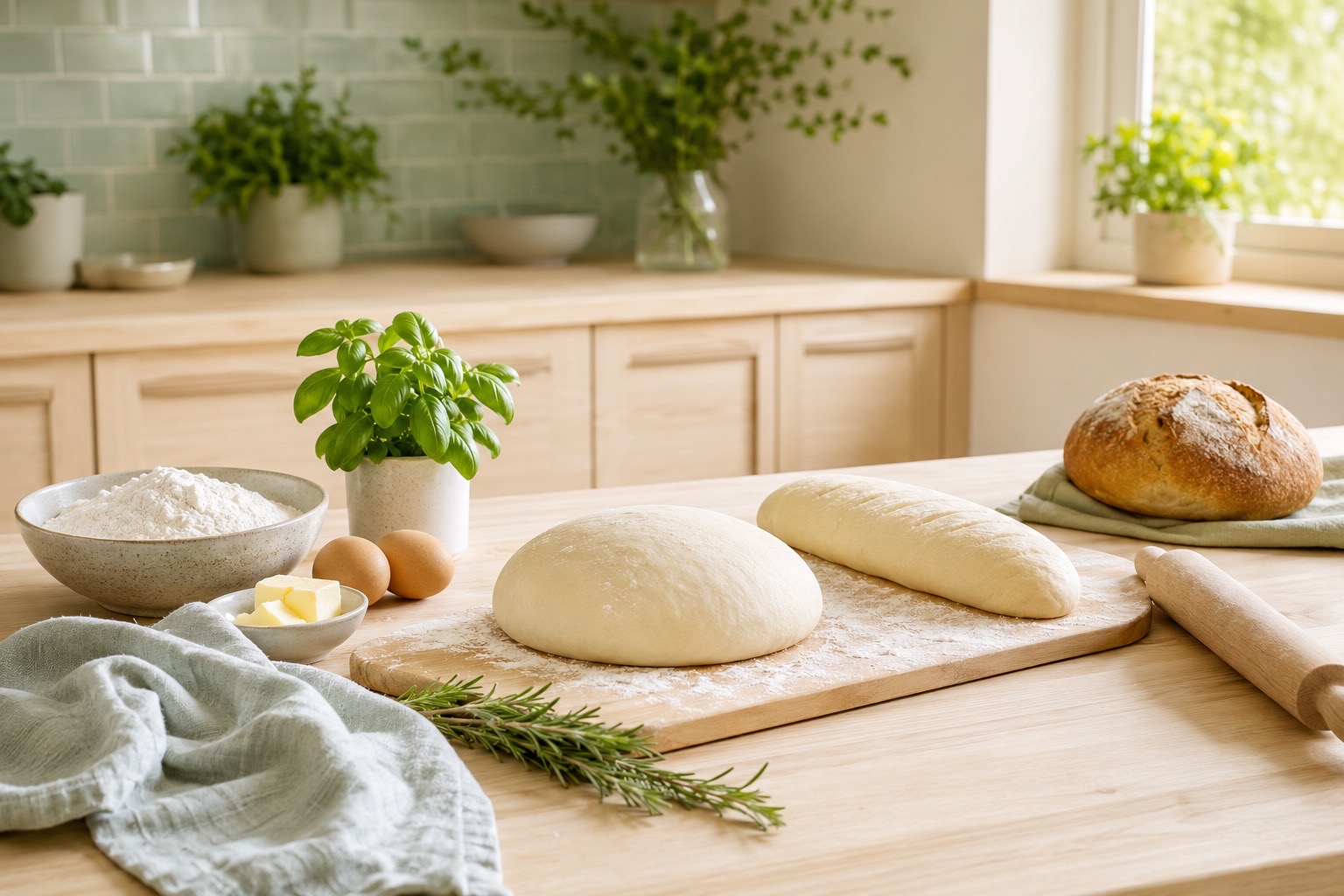
Handmade Foundation is an itinerant nonprofit dedicated to promoting emotional well-being, creative expression and human connection. We provide the methodology, the facilitators, the ingredients and the materials, and we coordinate every activity with the institution's psychosocial professionals.
We are not a cooking school, and we do not offer psychological treatment. Kneading complements — never replaces — psychological, social and educational support.
To promote emotional well-being, autonomy and human connection through itinerant bread-kneading workshops in safe, creative and trauma-informed environments.
A society where people who have lived through difficult experiences find welcoming spaces to create with their hands, recognize their capabilities and strengthen their bonds.
Experiences of violence, abuse, loss and displacement can affect emotional safety, trust, autonomy and the ability to relate to others. Trauma-informed approaches respond by creating environments grounded in safety, trust, collaboration and choice.
Shelters and specialized organizations provide essential services. Their participants can also benefit from activities that engage the body, the senses and creativity; that allow participation without recounting what happened; and that produce a concrete, shared experience.
Evidence on cooking-based interventions points to possible benefits in socialization, self-esteem and mood, but it remains preliminary: kneading is not a treatment for trauma.
Intervention model
A clear, simple explanation of the activity.
Ingredients, utensils and ways to take part.
Mindful sensory contact with the dough.
Individual or shared creation, at each person's own pace.
Finishing the product and a voluntary closing moment.
The foundation designs and facilitates the activities, coordinates materials and applies its safety, hygiene and child-protection protocols.
The partner institution helps select the group, secures authorizations, suggests adaptations and ensures professional support is available.
Each person may knead directly, use utensils or gloves, observe, take on an alternative task, pause or leave. No one is required to speak, share their creation or eat the food. For minors, consent from the legally responsible adult and the child's assent are required.
Before each cycle we consider allergies, medical or dietary restrictions, sensory sensitivities, physical or cognitive abilities, language, cultural context and accessibility needs.
Workshops and cycles of sessions at partner institutions, with facilitators, materials and ingredients provided by the foundation.
Preparation and ongoing support for those who lead the activities, with a trauma-informed approach.
Talks and materials on kneading, care, creativity and connection.
Collaboration with universities and professionals to document outcomes and share good practices.
All of our programs rest on institutional partnerships, protection and confidentiality, inclusion, ongoing evaluation and resource mobilization for sustainability.
If you lead a shelter, a group home, a school or a community organization, we can design a cycle of workshops for your group. We also welcome people interested in training as facilitators or supporting the foundation.
San Juan, PR
+1(787)6461659